

Remodeling in Long Beach or the South Bay? What an Architect Wants You to Know First
An interview with architect Joseph Spierer on costs, timelines, permits, and how to avoid expensive surprises.
If you’re planning a remodel, addition, new build, or ADU, the biggest mistakes usually happen before construction even starts. Homeowners get excited about finishes and floor plans—then get blindsided by setbacks, easements, city rules, permit delays, and real-world costs per square foot.
In this episode, Beatrix Whipple (The Whipple Group Real Estate) sits down with Joseph Spierer, a licensed architect with 20+ years of experience across the South Bay and beyond, to break down what most people miss early on—and how to protect your budget, your timeline, and your sanity.
Meet Architect Joseph Spierer
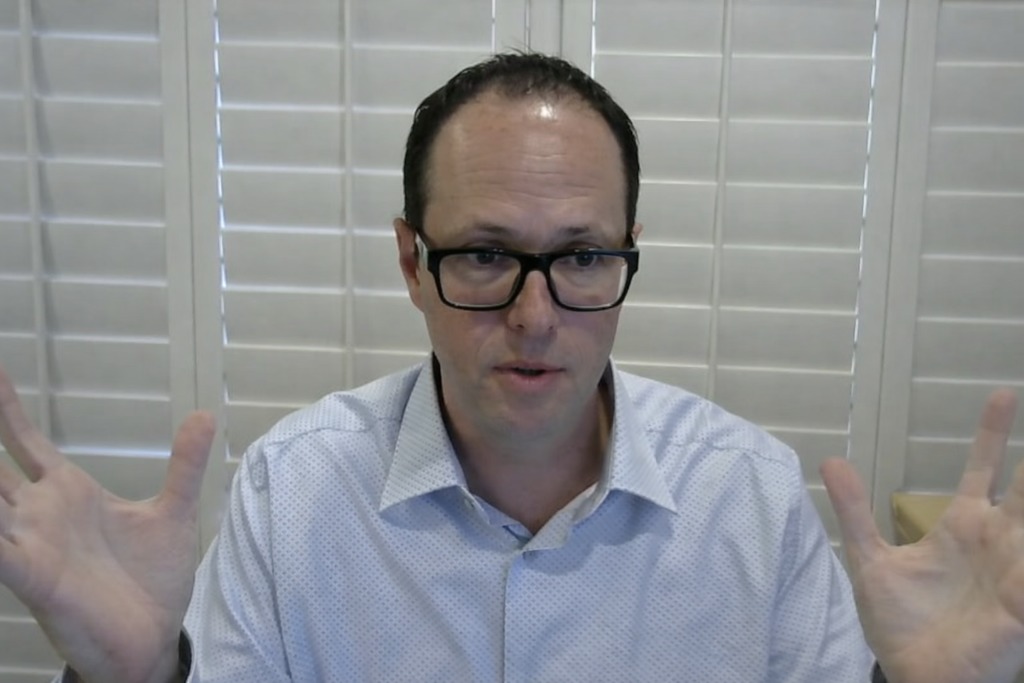
Joseph Spierer is a licensed architect with more than 20 years of experience, born and raised in Palos Verdes Estates, and trained at leading LA-area firms with experience in ground-up construction and adaptive reuse. His firm designs custom homes throughout the South Bay, with much of their work in Redondo Beach, Hermosa Beach, Manhattan Beach, and Palos Verdes.
A key theme in Joseph’s approach: every home should reflect the client, because no two clients live the same way.
The #1 Mistake Homeowners Make: Waiting Too Long to Talk to an Architect
One of the biggest takeaways: if you’re buying a home and already imagining changes, bring an architect in during escrow—the same way you’d schedule an inspection.
Why? Because after you close, you may learn something that stops your plans entirely, like:
a major easement cutting through your buildable area
restrictions that prevent an addition
ADU limitations that make your plan impractical
The “Pre-Design” Move That Saves You Time and Money
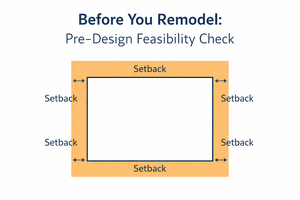
Joseph’s firm offers a service often referred to as pre-design: not full design, but an early feasibility check that diagrams what can actually fit on the site based on setbacks, height limits, FAR (floor area ratio), lot coverage, and other constraints.
Bottom line: Pre-design helps you make a confident go / no-go decision before you fully commit.
Why Permits Feel So Different City-to-City (Long Beach vs. Palos Verdes)
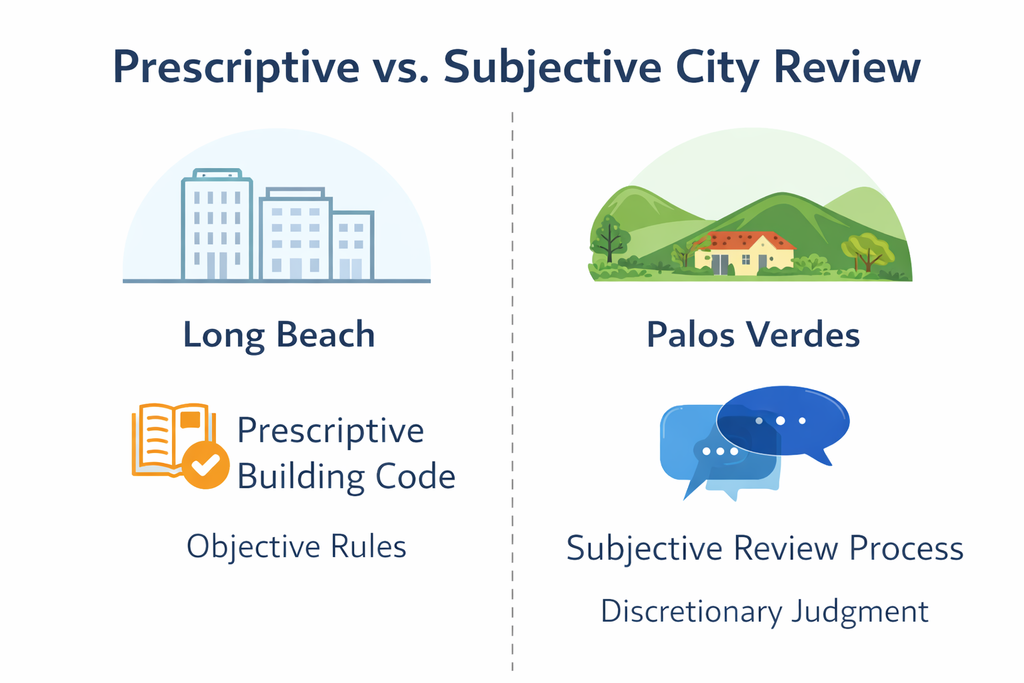
A really helpful point Joseph makes: cities all have rules, but they enforce them differently.
In cities like Long Beach
Rules tend to be more prescriptive—meaning the code spells out exactly what you can do (setbacks, height limits, open space requirements, lot coverage, etc.).
In hill cities like Palos Verdes
Rules can be less prescriptive but more subjective because planning commissions, art juries, or architectural committees may weigh in. That can mean a neighbor objects and the city asks you to reduce height or adjust the design—even if the code technically allows it.
Translation: Some places are rule-heavy. Others are relationship-heavy. Both can slow a project if you’re unprepared.
Realistic Timelines: How Long Does It Actually Take?
This part surprises people the most: permits are slow almost everywhere right now.
ADU timelines
California has a “60-day rule” intended to speed up ADU approvals, but cities often interpret that as 60 days once the application is deemed complete—and “complete” can become a moving target.
Best case: 3–4 months
Common reality (especially if busy/complex): up to a year
New builds / major remodels
A practical rule of thumb:
Expect around a year to get permits in many local cities
Some areas (including parts of Palos Verdes) can take longer than a year
Takeaway: Hope for faster—but plan for a year so you’re not blindsided.
The Real Cost to Build in California (and Why It Varies So Much)
Construction costs depend heavily on complexity and finishes.
Joseph’s breakdown:
$500/sq ft is possible in very simple builds (boxy ADU, basic finishes)
$700/sq ft is more typical for many custom homes today
Higher-end builds can reach $900–$1,500/sq ft depending on materials, detailing, and structure
What drives the price up?
open-concept big spans (fewer walls/columns = more structural engineering)
large multi-slide doors (“NanaWall”-style systems)
high-end finishes + custom details
California’s stricter earthquake codes (more concrete + steel)
labor + materials costs rising faster than general inflation
Pro tip Joseph shares: good firms ask for both your goal budget and your “doomsday scenario” budget up front—then price-check throughout the design process with contractors to keep you aligned.
Design Trends: What Homebuyers Want Right Now
Styles change, but demand has been consistent lately for:
Modern and contemporary design
a resurgence of mid-century modern
“modern English” influences (like white brick)
traditional exteriors paired with contemporary touches
Even in traditional Spanish or classic styles, homeowners still want modern living:
big windows
indoor-outdoor flow
airy great rooms
more open layouts than historic homes allowed
SB9 Explained: Can You Really Put 8 Units on One Lot?
SB9 is one of the most misunderstood laws in real estate and development.
Joseph explains the concept like this (in general terms):
you may be able to split a single-family lot into two lots (if size rules are met)
on each lot, you may be able to add a primary residence plus multiple ADU configurations
in certain scenarios, that could mean turning one single-family lot into up to eight units
Not every city has fully updated how they handle SB9 yet, and there are exceptions (fire/life safety, infrastructure constraints, steep lots, etc.). But the trend is clear: state laws are pushing cities to allow more housing density—even when local sentiment resists it.
City Bureaucracy: The Real Reason Projects Stall
The hardest part often isn’t design—it’s process.
Joseph describes two big friction points:
Interpretation of complex rules (cities may disagree with your interpretation)
Responsiveness (projects don’t move unless someone pushes consistently)
Smaller cities can be more “grassroots” (meetings and back-and-forth), while larger cities tend to have rigid multi-step processes—either way, it’s work.
Key lesson: If nobody is actively following up, your project can end up on the back burner.
Best ROI Upgrades: Where to Spend Money for Resale
When asked where homeowners should invest for maximum resale value, Joseph’s answer aligned closely with what buyers respond to emotionally:
1) The Kitchen + Great Room
Kitchens are still the heart of the home—buyers fall in love here.
2) The Primary Suite
Primary bedroom + bathroom + closet are major value drivers.
3) Exterior curb appeal (if budget allows)
Siding/stucco condition, roof presentation, and landscaping can create a big impact without “new build” levels of cost.
How to Pick the Right Architect (and Why Fit Matters)
Joseph makes an important distinction: different architects serve different needs.
Some are developer-focused (efficient, financial, repeatable)
Others are client-lifestyle-focused (custom, interview-heavy, design-tailored)
His firm is built around deep discovery: photos, interviews, lifestyle questions, and tailored design—ideal for homeowners building for themselves.
And one more truth: your experience depends heavily on the contractor, too. A strong architect supports through construction, answers questions, and helps interpret drawings so the build matches the plan.
Final Takeaways: Don’t Start Until You Do This
If you remember nothing else, remember these three steps:
Do a pre-design feasibility check (especially during escrow)
Plan your timeline realistically (permits can take a year)
Budget by complexity, not hope ($500/sq ft is possible; $700+ is common)
Want Help Planning a Remodel, ADU, or New Build in Long Beach or the South Bay?
If you’re exploring a project and want to make sure your idea is actually feasible—before you commit—reach out.
For real estate guidance (buying/selling with remodel potential): Beatrix Whipple, The Whipple Group
For architecture + feasibility: Joseph Spierer, Spierer Architects
Check out this article next