

Most real estate updates focus on mortgage rates and median home prices. But those numbers are often the result of bigger forces already at work.
This month, Long Beach saw major developments that could impact homeowners, buyers, landlords, and investors for years to come. From new housing projects to state laws and city budget challenges, here are the stories that matter most.

Mortgage Rates Aren't Falling Anytime Soon
The Federal Reserve held rates steady, and despite a new Fed Chair taking over, most analysts don't expect meaningful rate cuts in the near future.
For Long Beach homeowners waiting for rates to drop before making a move, the reality is that the "wait-and-see" market may continue well into 2027. Low-rate homeowners are still staying put, keeping inventory tight across many neighborhoods.

Downtown Is Getting Hundreds of New Homes
A major downtown project at 321 West Ocean was expanded from 580 apartments to 729 units.
The shift includes more family-sized homes instead of primarily studios, signaling that developers see demand for people who want to actually live downtown long-term.
More residents could strengthen local businesses, restaurants, and walkability while also increasing competition in the rental market.

Long Beach Faces a $61 Million Budget Gap
The city is projecting a significant budget deficit heading into 2027.
While city leaders expect the situation to improve over time, budget pressure often leads to difficult conversations about services, infrastructure, and future revenue sources.
For homeowners, this is worth watching because city budgets affect everything from street maintenance to public safety and neighborhood quality of life.
New Rental Assistance Programs Launch
Long Beach recently expanded rental assistance and housing support programs for low-income residents, seniors, and vulnerable households.
The programs are designed to prevent displacement and homelessness, but they also highlight growing affordability challenges across the city.
For investors and small multifamily owners, these policies may influence future rental regulations and operating costs.

New State Housing Laws Arrive July 1
Two California laws will significantly impact future development in Long Beach.
Areas near Metro stations and major transit corridors will be eligible for increased residential density, while office-to-housing conversions will become easier to approve.
Neighborhoods near the Blue Line and downtown corridors could see major redevelopment activity over the next several years.
Building Just Got More Expensive
Permit fees increased on May 20, raising costs for ADUs, remodels, additions, and new construction.
For homeowners considering an ADU, the economics still make sense in many Long Beach neighborhoods, but delaying a project could mean paying more later.
The Largest Residential Development in City History Is Opening
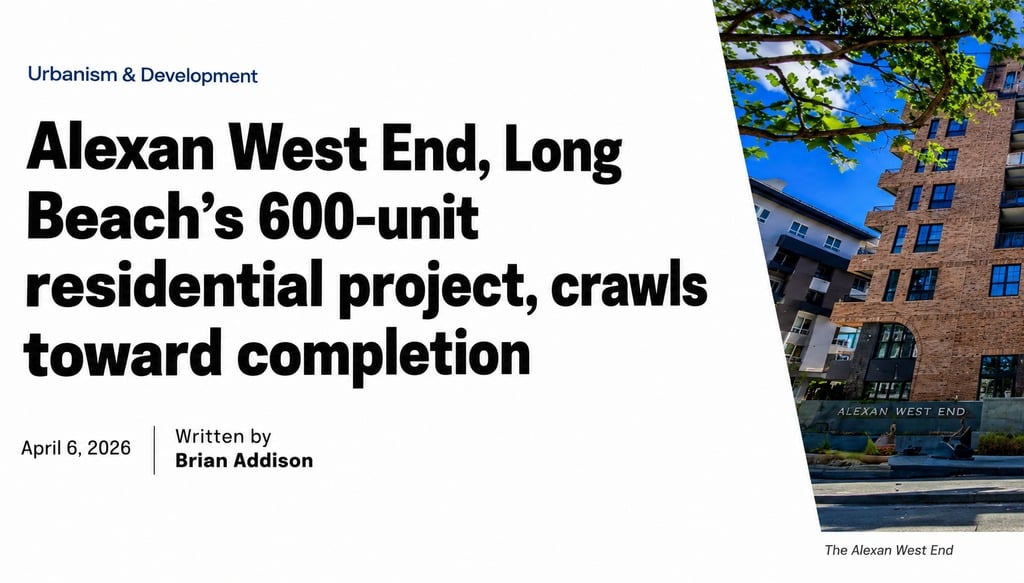
Alexan West End, a 600-unit downtown apartment community, has officially begun occupancy.
This project will add hundreds of new residents to downtown over the next year and create one of the biggest tests yet for the local rental market.
For renters, it means more options. For landlords and condo owners, it means increased competition and a changing downtown landscape.
What It All Means
Long Beach is entering a transition period.
Mortgage rates remain elevated. New housing is arriving. City finances are tightening. State laws are pushing more development. And local businesses are navigating a challenging economy.
The biggest opportunities often belong to the people paying attention before these changes show up in home prices.
Whether you're buying, selling, investing, or simply trying to understand where Long Beach is headed, the story isn't just about rates. It's about the policies, projects, and economic forces shaping the city long before they make national headlines.

Short Excerpt
Long Beach is changing fast. From a $61 million budget gap and new state housing laws to 1,300+ new downtown apartments and shifting mortgage rate expectations, the biggest real estate stories aren't making national headlines. Here's what homeowners, buyers, and investors should know right now.
Check out this article next