


Mortgage rates haven't fallen the way many buyers hoped they would. While many people expected the Federal Reserve to begin lowering rates this summer, the reality has become far more complicated.
At the same time, Long Beach's housing market continues to tell two very different stories depending on what type of property you're buying.
From inventory shortages to billion dollar investments, new state housing laws, and major international events on the horizon, several forces are shaping the local real estate market all at once.
Here's what buyers and sellers need to know.
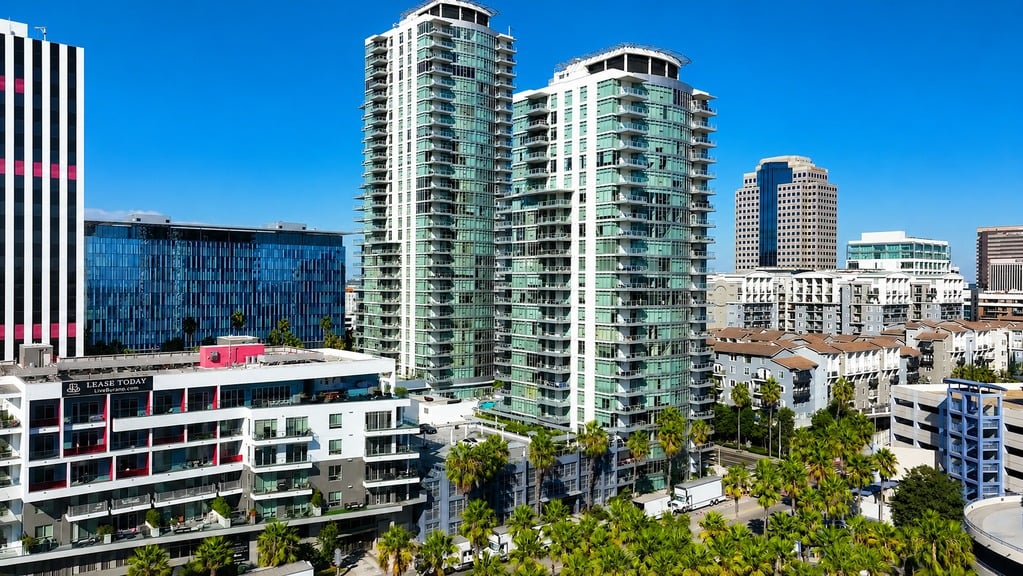
Mortgage Rates Aren't Moving for the Reasons Most People Think
Many people assume mortgage rates move directly with Federal Reserve decisions.
In reality, long term mortgage rates are influenced by many global economic factors, including inflation, bond markets, and geopolitical events.
Economic uncertainty and higher energy costs continue to put pressure on inflation, making it difficult for long term mortgage rates to decline significantly.
While rates remain well below historic highs, they're still high enough to affect affordability for many buyers.
Waiting for dramatically lower rates may not be the strategy many buyers hope it will be.
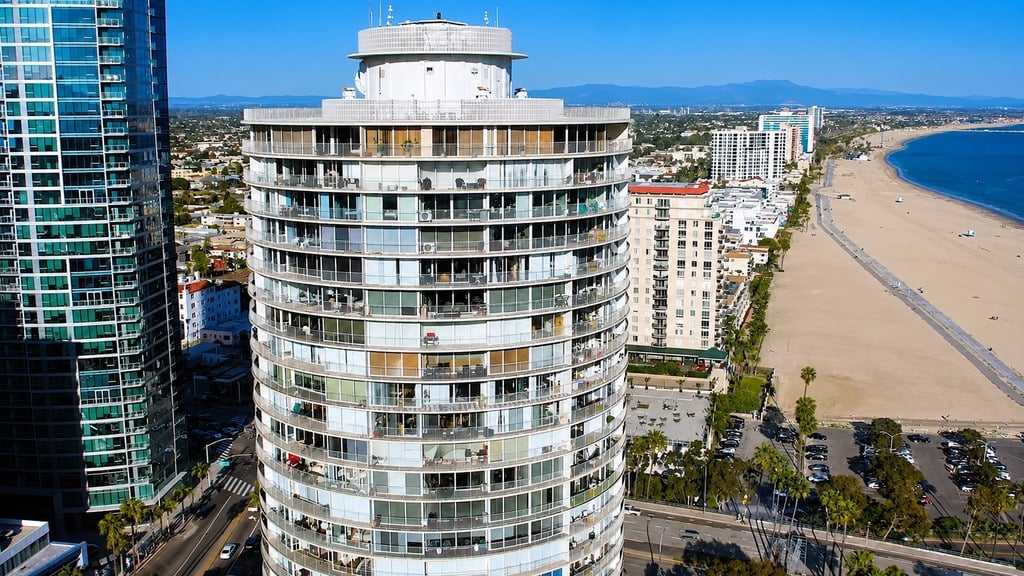
Long Beach Is Really Two Different Housing Markets
Looking only at the citywide median home price doesn't tell the full story.
Long Beach currently has two distinct markets:
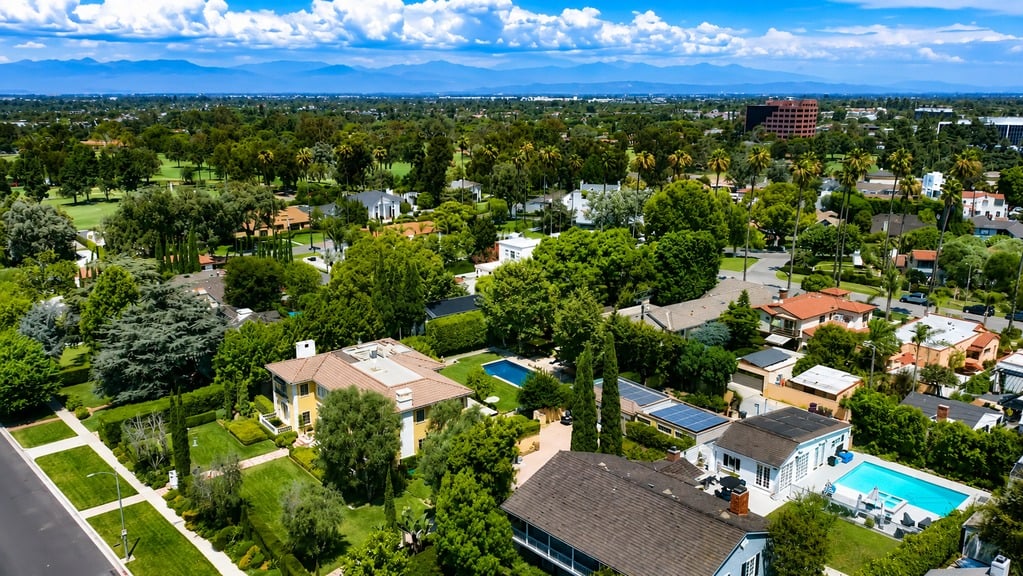
- Single family homes remain highly competitive with extremely limited inventory.
- Condominiums offer buyers considerably more options and negotiating power.
Single family homes continue to experience strong demand, while the condo market has become more balanced.
Understanding which market you're shopping in is far more important than relying on citywide averages.
Inventory Continues to Favor Sellers
The biggest challenge for buyers isn't necessarily mortgage rates.
It's inventory.
Well priced single family homes in desirable neighborhoods often receive strong interest because there simply aren't enough homes available.
Condominiums, however, offer buyers more flexibility.
Those who have been competing unsuccessfully for houses may find better opportunities in the condo market, where inventory levels are healthier and negotiations are often easier.

Why Local Business Growth Matters for Real Estate
Real estate isn't influenced only by housing statistics.
Commercial investment often provides early clues about where demand is headed.
New restaurants, renovated commercial buildings, and expanding retail districts frequently signal growing confidence in a neighborhood.
Areas that continue attracting high quality businesses often become even more desirable places to live over time.
These local improvements help strengthen long term property values while enhancing everyday quality of life.

Government Decisions Can Affect Housing Too
Local and state policy decisions frequently influence housing markets.
Changes involving development regulations, infrastructure spending, taxes, and zoning can all affect affordability, housing supply, and future neighborhood growth.
While individual policies may impact buyers and homeowners differently, staying informed helps people make more confident long term decisions.
Real estate is influenced by much more than interest rates alone.

A Billion Dollar Investment Could Shape Future Demand
One of the largest economic developments in Long Beach is the construction of Anduril's new technology campus near Long Beach Airport.
The project represents a significant investment in the city and is expected to create thousands of high paying jobs over the coming years.
Large employment centers often increase housing demand in nearby neighborhoods as employees look for shorter commutes and convenient locations.
Areas surrounding the airport, Los Altos, Bixby Knolls, and nearby communities could experience additional buyer interest as the campus nears completion.
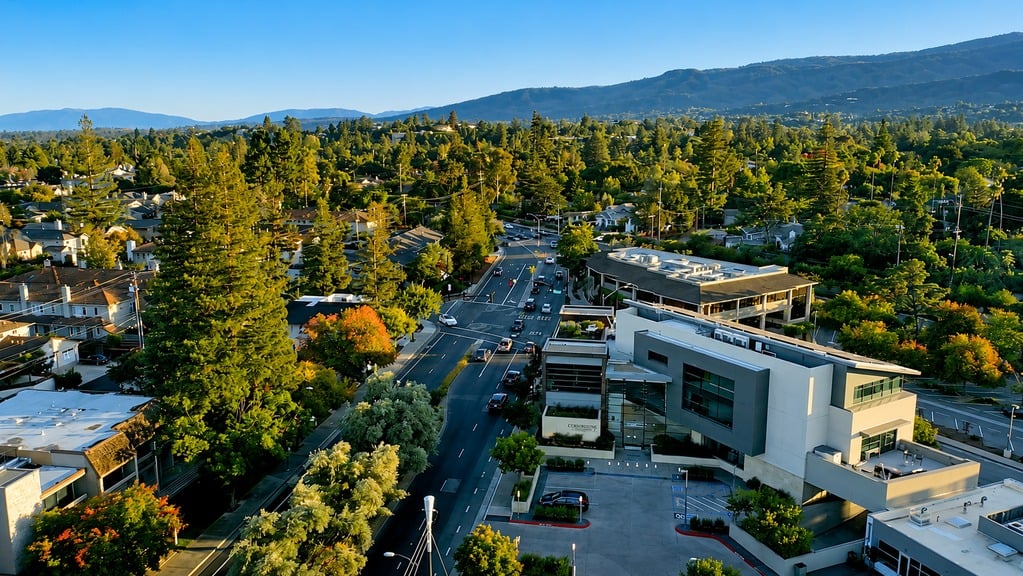
New Housing Laws Could Change Future Supply
California continues introducing legislation aimed at increasing housing opportunities.
New laws encouraging higher density near transit and simplifying certain redevelopment projects may gradually increase housing supply throughout parts of Long Beach.
While these changes won't happen overnight, they represent another factor that could shape the city's housing market over the next several years.
Understanding where future development may occur is valuable for both buyers and property owners.

The Road to the 2028 Olympics Is Already Underway
Long Beach continues preparing for several major international events leading up to the 2028 Olympic Games.
Infrastructure improvements, tourism investments, waterfront enhancements, and global exposure all contribute to the city's long term outlook.
Large events bring visitors, investment, and increased attention to the community.
Although these events don't automatically raise property values, they can contribute to stronger economic activity and continued demand over time.

What This Means for Buyers
Today's buyers face a market where:
- Mortgage rates remain elevated.
- Single family inventory is extremely limited.
- Condominiums offer more negotiating opportunities.
- Long term economic investment continues throughout the city.
Rather than trying to perfectly time interest rates, buyers may benefit more from understanding neighborhood trends, inventory conditions, and their own long term goals.
The right property purchased with a long term strategy often matters more than waiting for the perfect mortgage rate.

Final Thoughts
Check out this article next