

Most real estate updates focus on mortgage rates and median home prices. But those numbers are often the result of bigger forces already at work.
This month, Long Beach saw major developments that could impact homeowners, buyers, landlords, and investors for years to come. From new housing projects to state laws and city budget challenges, here are the stories that matter most.

The Mistake Most Buyers Make
Many buyers have the same plan:
"We'll buy when rates come down."
The logic makes sense. A lower rate can save hundreds of dollars per month.
What often gets overlooked is what happens to the market when rates actually fall.
When rates are high, many buyers pause. Competition softens. Sellers become more flexible. Buyers can often negotiate repairs, credits, and better terms.
When rates drop, those waiting buyers return all at once.
The result? More competition, multiple offers, fewer concessions, and rising prices.

You're Not Just Choosing a Rate. You're Choosing a Market Environment.
A softer market can create opportunities that don't exist in a hot market.
For example, a buyer purchasing today may negotiate seller credits, secure a price reduction, and have more time to make thoughtful decisions.
A buyer waiting for lower rates might get a better interest rate, but face higher prices and more competition. The lower payment doesn't always translate into a better overall deal.
A softer market can create opportunities that don't exist in a hot market.
For example, a buyer purchasing today may negotiate seller credits, secure a price reduction, and have more time to make thoughtful decisions.
A buyer waiting for lower rates might get a better interest rate, but face higher prices and more competition. The lower payment doesn't always translate into a better overall deal.
The Math Most People Forget
One of the most important ideas in real estate is simple:
You can refinance a rate. You cannot refinance a purchase price.
If rates drop after you buy, refinancing may be an option.
But if home prices rise while you're waiting, that higher purchase price is permanent.
That's why buyers should evaluate the entire equation:
- Purchase price
- Interest rate
- Seller concessions
- Competition
- Appreciation potential
- Long-term goals
Looking at only one number rarely tells the full story.

When Waiting Actually Makes Sense
Waiting isn't always a mistake.
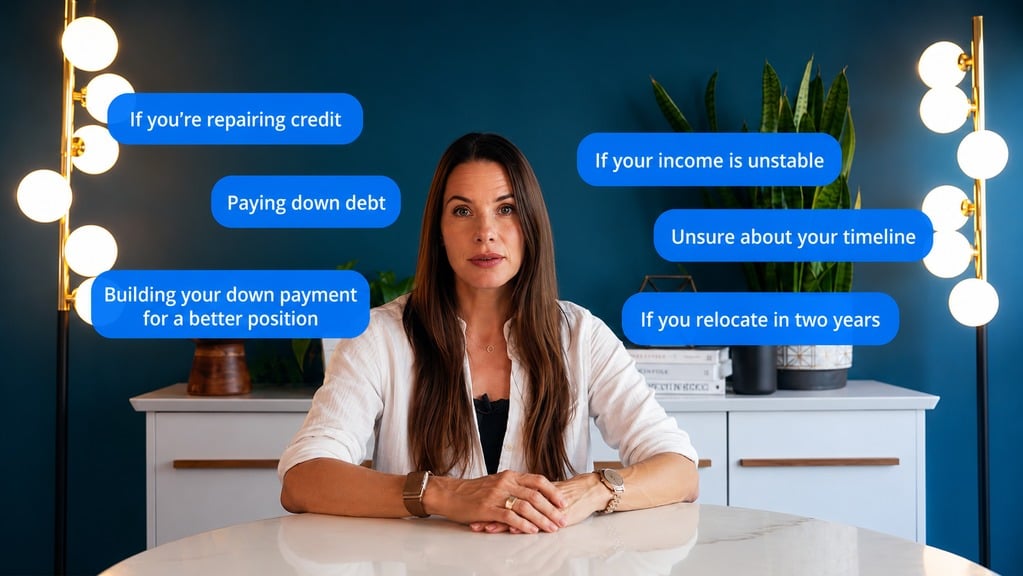
It may be the right move if you're:
- Improving your credit score
- Paying down debt
- Building a larger down payment
- Stabilizing your income
- Unsure about your timeline
The key difference is having a plan.
Waiting with a clear goal can be a smart strategy. Waiting and hoping the market gets easier is something entirely different.

The Better Question to Ask
Instead of asking:
"Where are rates going?"
Ask:
"Does buying make sense for my situation today?"
If the payment works, the property fits your needs, and you're planning to hold the home long term, waiting solely for lower rates could cost more than it saves.
The best real estate decisions aren't based on headlines. They're based on your numbers, your goals, and your timeline.
Final Thoughts
Interest rates matter, but they're only one piece of the puzzle.
Market conditions, negotiating power, home prices, and long-term appreciation often have just as much impact on your financial outcome.
Sometimes the opportunity isn't when rates are lowest. It's when competition is.

Short Excerpt
Many buyers are waiting for mortgage rates to fall before purchasing a home. But lower rates often bring more competition, higher prices, and fewer negotiating opportunities. Here's why focusing only on interest rates can be an expensive mistake.
Check out this article next