

Most real estate headlines focus on mortgage rates, home prices, and inventory levels. But those numbers only tell part of the story.
Right now, Long Beach is being pulled in two different directions. On one side, billions of dollars in new investment and thousands of high-paying jobs are creating long-term growth opportunities. On the other, rising consumer costs, school district cuts, and city budget pressures are creating challenges that cannot be ignored.
The result is a housing market that isn't moving as one city. It's becoming two very different markets at the same time.

The Growth Story Nobody Is Talking About
The biggest economic story in Long Beach isn't happening at the waterfront. It's happening near the airport.
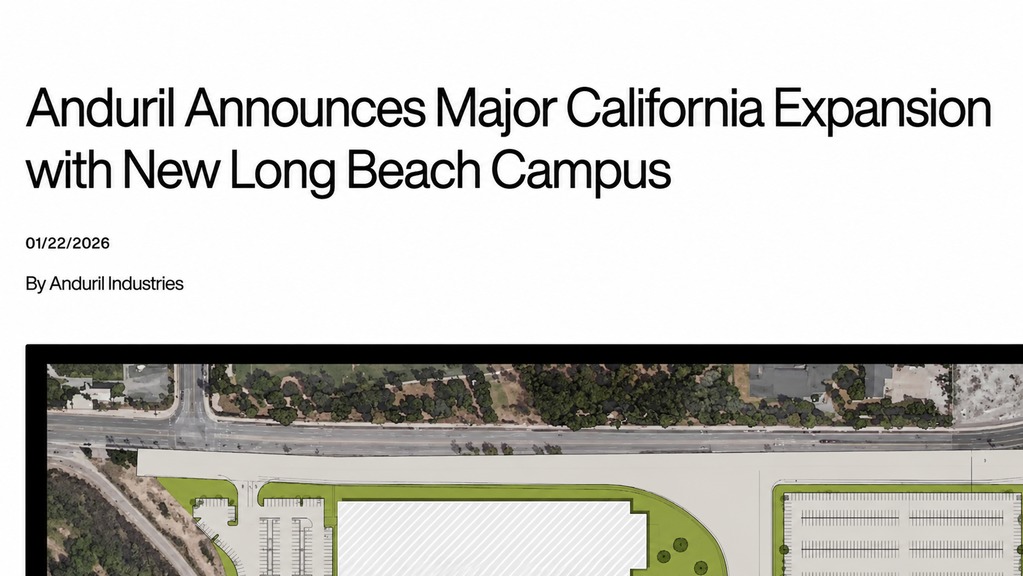
Anduril Industries is building a $1 billion defense technology campus expected to bring approximately 5,500 jobs to the area, while Voyager Technologies has already opened a major facility nearby. Together, these projects are helping transform Long Beach into one of Southern California's fastest-growing defense and aerospace hubs.
These are not low-wage positions. The jobs being created include engineers, software developers, researchers, and highly skilled technical professionals.
For neighborhoods near Douglas Park, California Heights, Los Cerritos, Signal Hill, and Lakewood Village, this could create significant housing demand over the next several years.

The Other Side of the Story
At the same time, not every part of the local economy is experiencing growth.
The Port of Long Beach remains one of the busiest ports in the country, but global trade uncertainty and tariffs continue to impact shipping, logistics companies, and consumer costs. Businesses connected to freight and international trade are facing slower growth, while many households are dealing with higher everyday expenses.
That matters because affordability remains one of the biggest challenges for buyers entering the market.
Higher costs for necessities often mean less money available for down payments, monthly housing payments, and moving expenses.
Why Schools Still Matter
Long Beach Unified recently approved significant staffing reductions as enrollment declines and budget pressures increase. More than 500 positions were affected, including teachers, counselors, and support staff.
While highly desirable neighborhoods such as Belmont Shore, Belmont Heights, and Naples tend to attract buyers for multiple reasons, school quality remains a major factor for many families.
Neighborhoods connected to strong-performing schools may continue to see stable demand, while areas already facing educational challenges could experience additional pricing pressure over time.
The Market Data Reveals the Split
This is where the divide becomes obvious.
Long Beach median home prices continue to rise year over year, showing that demand remains healthy overall. Yet nearly half of all listings are reducing their asking price before selling.
Why?
Because buyers are no longer rewarding every listing.
Move-in ready homes in desirable neighborhoods are selling quickly. Overpriced homes, properties needing significant work, and listings in less competitive locations are sitting on the market much longer.
In neighborhoods like California Heights and Los Cerritos, correctly priced homes can still attract strong competition. Meanwhile, other properties may linger for months if sellers fail to adjust to current market realities.
What This Means for Buyers
This isn't a market where buyers need to rush blindly into every opportunity.
There is more negotiating power available today than many people realize, particularly on listings that have been sitting for several weeks.
At the same time, buyers should pay attention to areas positioned for future job growth. Neighborhoods connected to the emerging "Space Beach" corridor may look very different five years from now than they do today.
What This Means for Sellers
Pricing strategy matters more than ever.
The days of listing high and expecting buyers to chase the price are largely over. Today's buyers are informed, selective, and quick to move on when a property feels overpriced.
Sellers who price correctly from day one are finding success. Sellers who ignore current market conditions often end up making price reductions later.

The Bottom Line
Check out this article next