
After more than two decades living and selling real estate in Long Beach, you might think there would be very few surprises left.
You've seen the market rise, fall, recover, and reinvent itself. You've watched neighborhoods transform, new developments emerge, and generations of buyers discover what makes this city special.
Yet even after all that, there is one thing that continues to surprise experienced agents, longtime residents, and people moving here for the first time.
It's not a statistic.
It's not a mortgage rate.
And it's not a headline.
It's how differently people experience Long Beach depending on what they think they're buying.
Long Beach Is Not One Place
One of the biggest mistakes buyers make is treating Long Beach as a single destination.
It isn't.
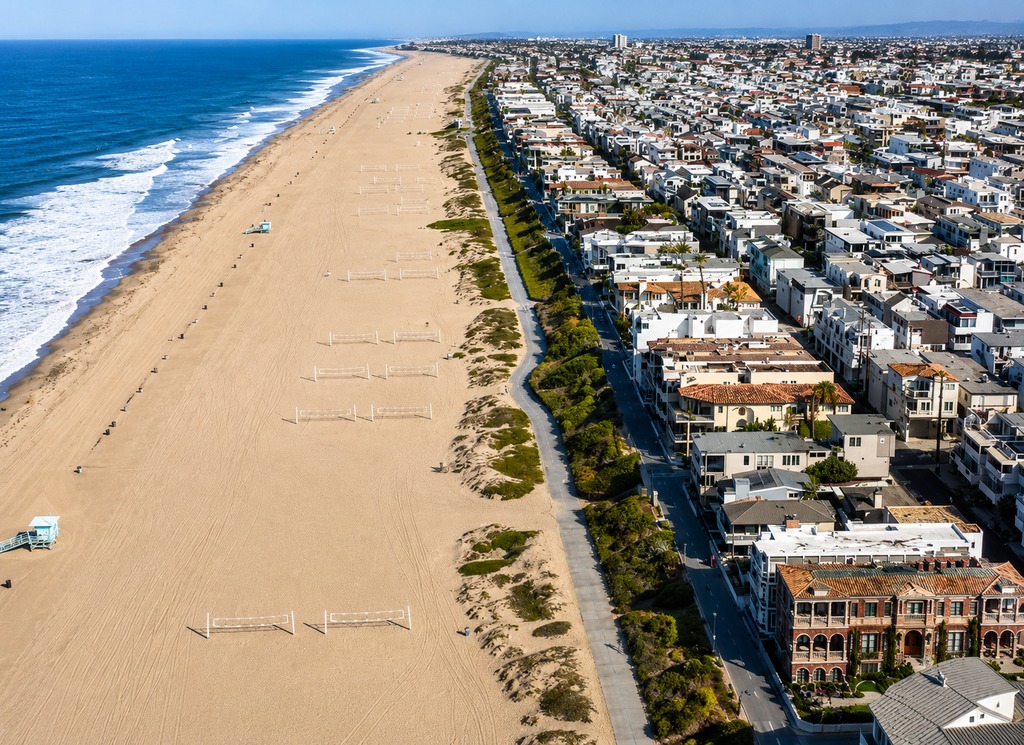
Long Beach is a collection of distinct neighborhoods, each with its own personality, lifestyle, architecture, price point, and rhythm.
Belmont Shore offers a walkable coastal lifestyle where restaurants, coffee shops, and the beach become part of everyday life.
Bixby Knolls provides tree-lined streets, historic homes, and a neighborhood atmosphere rooted in community.
Belmont Heights blends architectural charm with proximity to the coast.
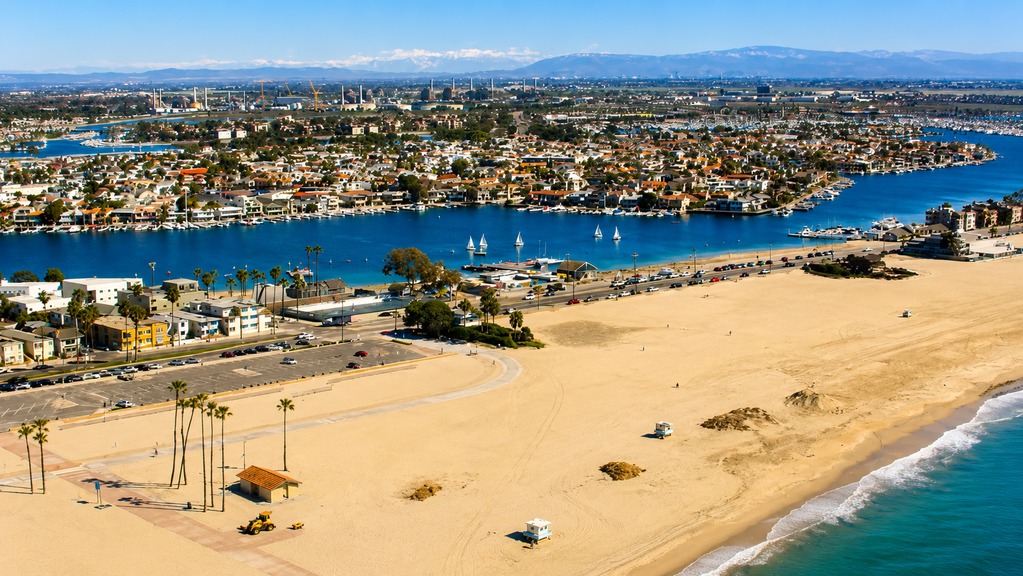
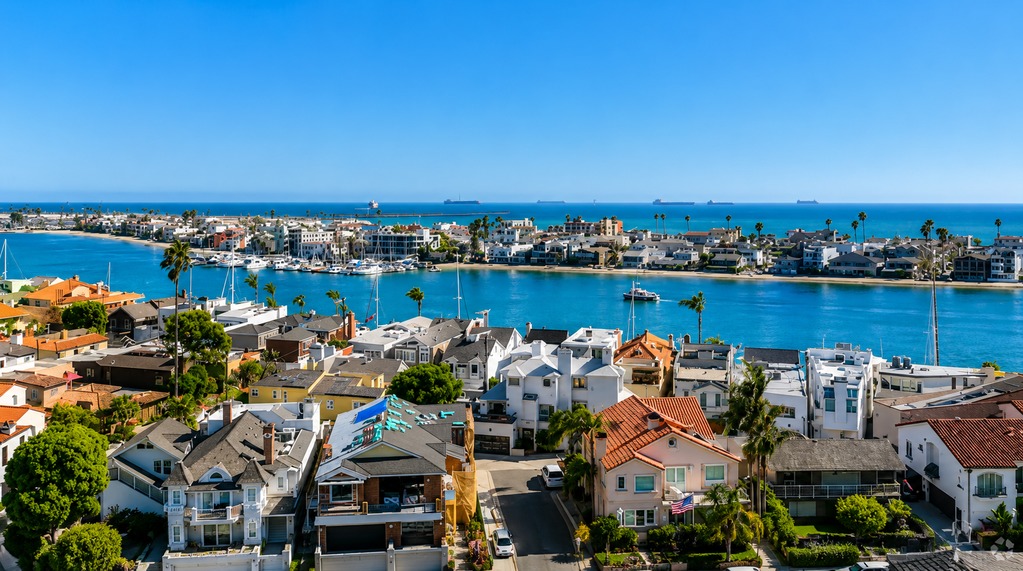
Naples delivers waterfront living unlike anywhere else in the city.
Then there are the neighborhoods closer to the port, airport, and major freeways, each offering different advantages and trade-offs.
People who thrive in Long Beach typically identify the neighborhood that matches their lifestyle before they begin searching for a home.
Those who don't often find themselves wondering why nothing feels quite right.
The Commute Matters More Than You Think
Long Beach has a reputation for being close to everything.
Technically, that's true.
In reality, where you live within Long Beach can dramatically impact your daily routine.
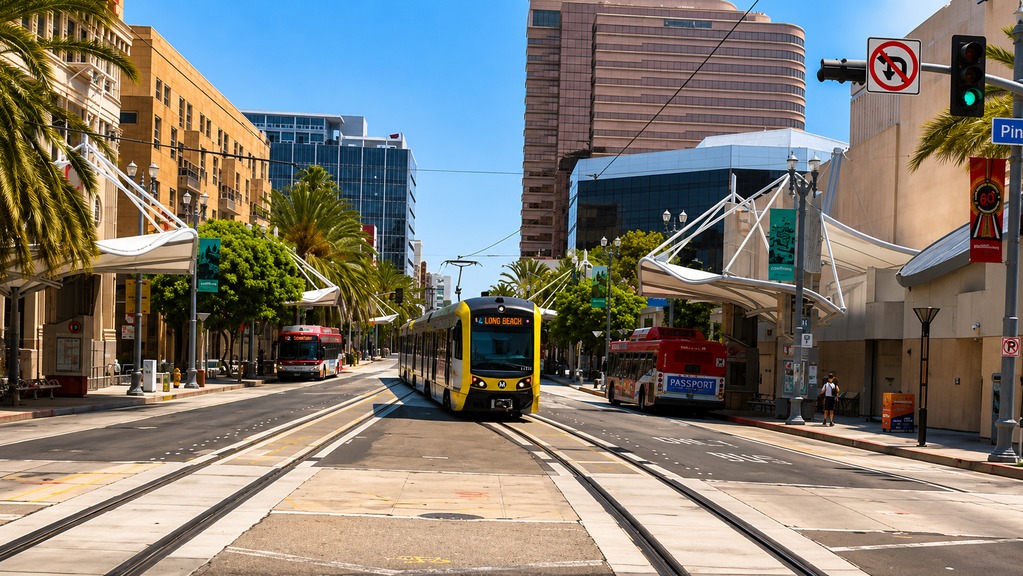
A home near the 405 may provide easier access to Orange County, Los Angeles, and surrounding employment centers.
A home in Belmont Shore or Naples offers a completely different lifestyle but often requires more time to reach major freeways.
Neither option is better.
The key is understanding the trade-off before you buy rather than after you've moved in.

The Weather Nobody Mentions
Many people move to Southern California expecting endless sunshine every morning.
Then June arrives.
The coastal marine layer, often called "June Gloom," catches many newcomers off guard. Morning overcast can linger for hours before giving way to sunshine.
For some, it feels surprising.
For locals, it's one of the reasons Long Beach stays significantly cooler than inland communities during the summer months.
When temperatures soar above 100 degrees elsewhere in Southern California, Long Beach often remains comfortably temperate thanks to the ocean's influence.
Understanding that trade-off helps people appreciate what coastal living really means.
What Twenty Years Reveals About This Market
Perhaps the biggest lesson from watching Long Beach over multiple market cycles is that it behaves differently than many other cities.
Markets soften.
Interest rates rise.
Buyer demand fluctuates.
Yet Long Beach has historically shown remarkable resilience.
Why?
Supply.
The city is largely built out. Established neighborhoods are not suddenly creating thousands of new homes. Coastal locations remain limited, and demand continues to be supported by the city's proximity to Los Angeles, its port economy, and its quality of life.
The buyers who have performed best over the years were rarely the ones who perfectly timed the market.
More often, they purchased a home that fit their needs, held it long term, and allowed time to do the heavy lifting.
The Lifestyle Factor Nobody Fully Understands
This may be the most overlooked part of living in Long Beach.
People spend months researching home prices, neighborhoods, schools, and mortgage rates.
What they often fail to fully appreciate is how the city changes the way they spend their time.
The waterfront becomes part of everyday life.
The beach path becomes a weekend routine.
Neighborhood restaurants become familiar gathering places.
Events like the Grand Prix, Pride Festival, local races, concerts, and community celebrations create a civic culture that many residents discover only after moving here.
For many newcomers, the biggest surprise isn't the house they bought.
It's how much they end up enjoying the city around it.

What This Means for Buyers Today
The lesson isn't that Long Beach is perfect.
Every neighborhood has trade-offs. Every buyer has different priorities.
The lesson is that successful buyers focus on more than square footage and price.
They understand the neighborhood.
They test the commute.
They learn the market.
They evaluate the lifestyle.
And they make decisions based on the complete picture rather than a postcard version of the city.

Final Thoughts
After twenty years of watching people move to Long Beach, one pattern continues to repeat itself.
The people who love living here are rarely the ones who got lucky.
They're the ones who understood what they were choosing.
They learned the neighborhoods. They accepted the trade-offs. They embraced the lifestyle. And they bought with confidence.
In a city as diverse and dynamic as Long Beach, that preparation often makes all the difference.
Check out this article next