


Long Beach has long been considered one of Southern California's more attainable coastal cities. Compared to places like Santa Monica, Newport Beach, or Manhattan Beach, home prices often appear more approachable.
But appearances can be deceiving.
According to longtime Long Beach Realtor Beatrix Whipple, many buyers and renters discover after moving that earning six figures doesn't stretch nearly as far as they expected. The real cost of living isn't just about rent or a mortgage. It's everything that comes after.

Why $100,000 Doesn't Go as Far as You Think
Many people assume earning $100,000 per year means they've reached financial comfort.
In Long Beach, that may simply get you through the door.
Living near the Pacific Ocean, between Los Angeles and Orange County, comes with lifestyle premiums that don't always appear in online affordability calculators. Housing is only one part of the equation. Parking, homeowners association dues, insurance, maintenance, commuting, and everyday lifestyle choices all add up faster than many newcomers expect.
Understanding those hidden costs before moving can prevent expensive surprises later.
The Hidden Expenses Most Budgets Miss
Housing calculators typically estimate your rent or mortgage payment.
They rarely account for the expenses that actually determine whether you're financially comfortable.
Some of the most overlooked costs include:
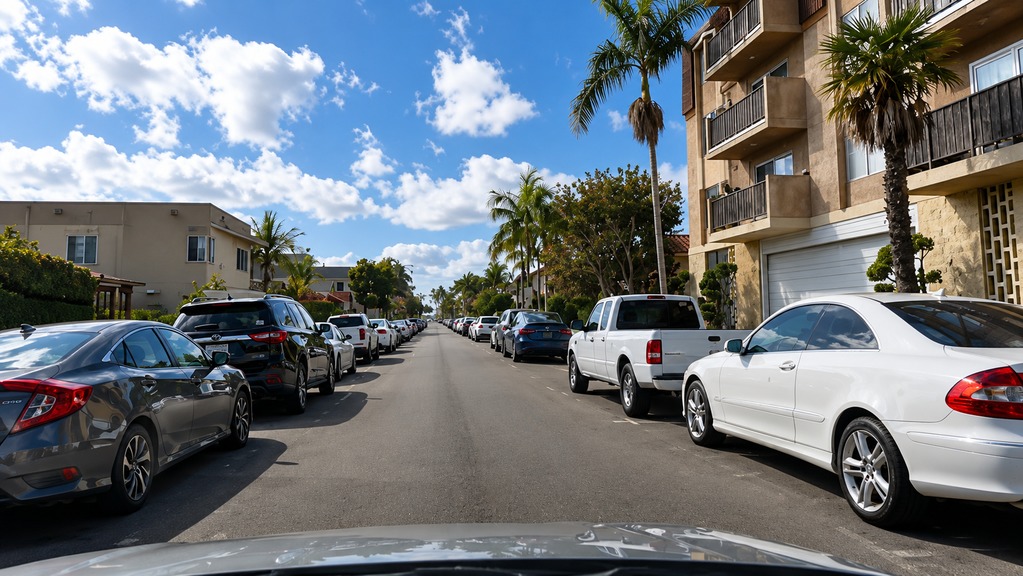
- Parking fees and residential permit programs
- HOA dues for condos and townhomes
- Coastal maintenance caused by salt air exposure
- Flood insurance in certain neighborhoods
- Property taxes based on your purchase price
- Higher monthly maintenance costs for coastal homes
Depending on your property and location, these additional expenses can easily add $500 to $1,500 per month to your housing costs.
Renting: Qualifying Isn't the Same as Living Comfortably
Qualifying for an apartment doesn't necessarily mean you can comfortably afford it.
Many landlords require applicants to earn approximately 2.5 to 3 times the monthly rent.
For example:
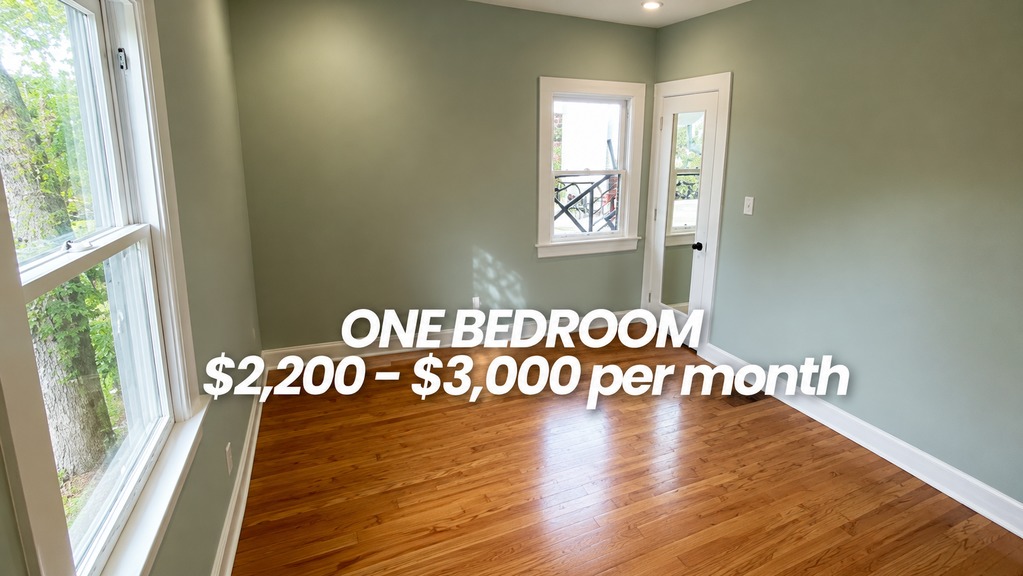
- A $2,500 apartment may require $75,000 to $90,000 in annual income simply to qualify.
- Living comfortably at that rent level may require closer to $100,000 to $110,000 annually.
- A quality two-bedroom renting for around $3,500 per month often requires household income between $130,000 and $150,000 to avoid becoming financially stretched.
The difference between qualifying and thriving is what many renters overlook.

What Buying a Home Really Costs
Homeownership introduces an entirely different financial picture.
Entry-level condos in Long Beach generally begin around $450,000 to $600,000, while many single-family homes in desirable neighborhoods start between $800,000 and well over $1 million.
When you factor in:
- Mortgage payments
- Property taxes
- Insurance
- HOA dues
- Ongoing maintenance
your monthly housing costs often become much higher than buyers initially expect.
A modest condo can easily cost over $4,000 per month, while many single-family homes require monthly housing budgets between $5,000 and $8,000.

Lifestyle Creep Is Real
One expense rarely discussed in relocation guides is lifestyle inflation.
Long Beach is designed around experiences.
Walkable restaurants, neighborhood coffee shops, farmers markets, waterfront activities, and local events naturally encourage people to spend more than they did before moving.
It's not because they're irresponsible.
It's because the opportunities are everywhere.
Many residents experience an increase of several hundred dollars per month in discretionary spending simply because their daily lifestyle changes.
Planning for that shift helps eliminate financial stress after the move.
Three Income Levels to Understand
Every household is different, but the video outlines three useful benchmarks.
Surviving
Approximately $80,000 to $110,000 annually for a single person.
This generally allows someone to rent modestly while budgeting carefully, but savings and discretionary spending remain limited.
Comfortable
Approximately $130,000 to $200,000 in household income.
This range provides greater flexibility to rent in desirable neighborhoods, potentially purchase a condo, save consistently, and absorb unexpected expenses without significant financial strain.
Established
Approximately $250,000 or more in household income.
At this level, buyers have substantially more flexibility regarding neighborhoods, home types, and long-term financial planning without feeling constrained by monthly housing costs.

A Smarter Way to Plan Your Move
Rather than asking, "How much house can I qualify for?"
Start by asking:
"What monthly payment feels sustainable?"
From there, consider your priorities.
Would you rather have walkability near the beach or more space farther inland?
Would you rather maximize square footage or minimize commuting?
The answers to those questions often influence your required income just as much as the home's purchase price.

Final Thoughts
Moving to Long Beach isn't simply about reaching a certain salary.
It's about understanding the full financial picture before making one of life's biggest decisions.
The buyers and renters who enjoy Long Beach the most are usually the ones who plan beyond the mortgage payment or monthly rent. They account for hidden expenses, understand how the city's lifestyle changes their spending habits, and choose neighborhoods that fit both their budget and their daily lives.
Long Beach rewards preparation.
Knowing the real numbers before you move makes it much easier to enjoy everything the city has to offer with confidence.
Check out this article next